
Algeria: African Development Bank Group and IsDB Deepen Dialogue with Authorities on Algiers–Tamanrasset Railway Corridor
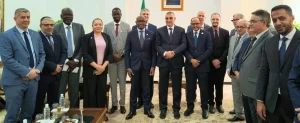
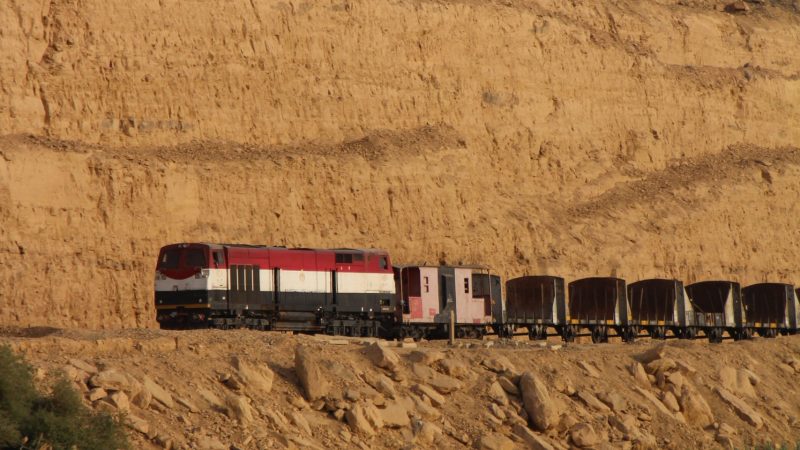
The Algiers–Tamanrasset railway corridor is set to become a driver of economic development in Algeria’s Deep South, while advancing regional integration from the Maghreb to West Africa. This ambition was at the heart of consultations between the Algerian authorities and a joint mission of the African Development Bank Group and the Islamic Development Bank (IsDB), which visited the corridor from 21 September to 1 October.
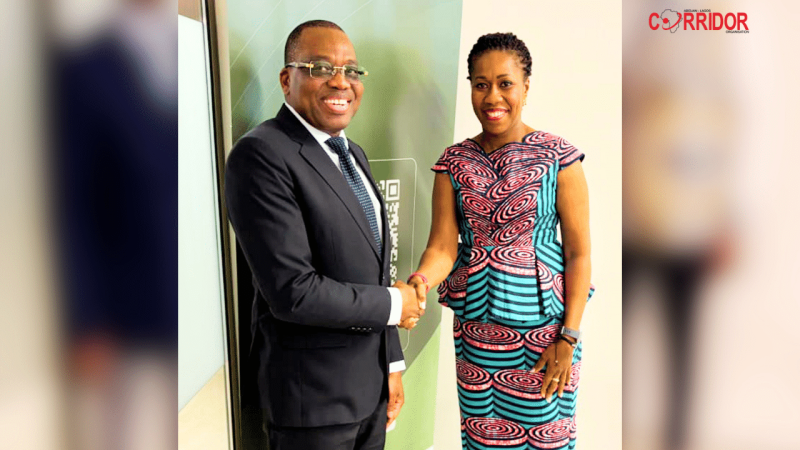
Led by Abdoulkader Dileita, the Bank Group’s Country Manager for Algeria, and Ahmed Ag Aboubacrine, Director of the IsDB Regional Hub for North Africa, the nine-member multidisciplinary mission covered 1,086 kilometres along the El Meniaa–In Salah–Tamanrasset sections of the corridor.
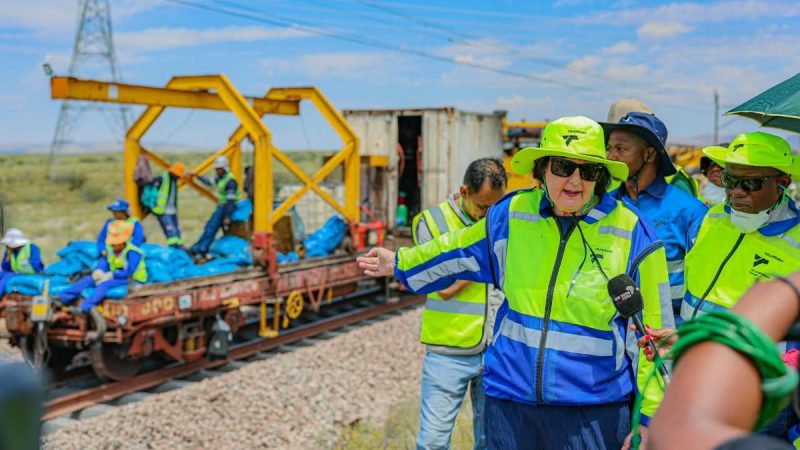
The consultations built on the African Development Bank Group’s ongoing intervention along the Laghouat–Ghardaïa–El Meniaa axis, and on Algeria’s efforts to accelerate the railway megaproject extending towards the country’s Deep South.
Discussions with the Ministry of Public Works and Basic Infrastructure, the National Agency for Studies and Monitoring of Railway Investment Implementation (ANESRIF) and other national stakeholders focused on the corridor’s role in diversifying the Algerian economy. By easing the movement of agricultural produce, mineral resources and industrial goods to ports and markets, the railway could improve business competitiveness and support the development of resources in the Algerian Sahara, which covers more than two million square kilometres south of the Atlas Mountains.
For Country Manager Dileita, “The challenge is to make the Algiers–Tamanrasset corridor much more than transport infrastructure: it must become an economic corridor that brings territories, production areas, and markets closer together, while strengthening Algeria’s integration with Niger and the rest of West Africa. The Bank is ready to continue this work with the Algerian authorities, as well as with regional and international institutions, to translate this ambition into concrete results.”
A corridor supporting AfCFTA objectives
At the regional level, the railway corridor will strengthen connections with existing and planned African transport networks and facilitate trade with the Sahel, and more broadly, the rest of the continent. The project is aligned with the objectives of the African Continental Free Trade Area (AfCFTA), particularly expanding intra-African trade and developing regional value chains.
The joint mission also assessed the project’s sustainability and resilience challenges, as well as opportunities to build on the knowledge and expertise gained during its preparation and implementation. The mission travelled more than 2,000 kilometres overland across ten wilayas (provinces), gaining a first-hand understanding of the corridor’s territorial and economic challenges.
Unlocking development in the areas along the corridor is another key consideration. Expanding agricultural, mining, industrial and logistics activities could support business creation, youth employment and the emergence of start-ups providing transport- and logistics-related services. The objective is to ensure that the areas served by the railway corridor fully benefit from the new economic opportunities it creates.
Developing an efficient transport network is a pillar of Algeria’s economic transition, with the modernisation of infrastructure designated as a national priority. The mission gave the African Development Bank Group an opportunity to reaffirm its commitment to continued dialogue with the Algerian authorities in support of the country’s strategy, including its ambition to expand its railway network, currently the second largest on the continent, from 6,000 kilometres to 15,000 kilometres by 2030. The Bank Group aims to translate these strategic priorities into concrete multisectoral operations that enhance Algeria’s competitiveness and economic diversification.