
The Performance of the Abidjan–Lagos Corridor Depends on Better Data Utilization


-
The smooth operation of the Abidjan–Lagos logistics corridor is a major factor in the competitiveness of trade in West Africa. In Benin, transport times between the Port of Cotonou, national road networks and border crossings directly affect the costs borne by shippers, transport operators and regional trade stakeholders.
On October 8, 2026, a delegation from the Abidjan–Lagos Corridor Organization (ALCO), led by its Executive Secretary, Dr. Hortense ME, met with Benin’s Minister responsible for Transport. Discussions focused on the Organization’s activities, the use of data generated by its Observatory, and opportunities to strengthen cooperation with national authorities.
Beyond this institutional meeting, the key issue is operational: improving the measurement of corridor bottlenecks to identify ways to reduce transit times, enhance road safety and strengthen Benin’s logistics competitiveness in regional trade.

ALCO and Benin Seek to Better Identify Logistics Bottlenecks
According to a statement issued by ALCO on October 13, 2026, discussions focused in particular on making better use of data generated by the Corridor Observatory. The minister emphasized the importance of identifying and analyzing bottlenecks, transport delays and disruptions affecting the movement of goods, particularly those transiting through Benin.
This approach addresses a recurring challenge in regional land transport: corridor performance depends not only on road quality or infrastructure capacity. It also relies on stakeholder coordination, operational predictability, efficient controls and the availability of reliable information.
A road may be fully operational while still delivering poor logistics performance if vehicles face repeated waiting times, traffic disruptions or administrative delays that are difficult to anticipate.
Measuring Transit Times to Better Target Investments
Collecting operational data helps distinguish the causes of longer transit times. These may include road congestion, slowdowns near border crossings, successive inspections or coordination difficulties among the various stakeholders in the logistics chain.
For public authorities, this approach can help prioritize interventions. It could make it easier to determine whether resources should primarily be allocated to upgrading a road section, modernizing a border post or simplifying certain procedures.
For investors, reliable indicators also provide a means of better assessing infrastructure operating conditions and demand for logistics services.
However, the ALCO statement provides neither quantitative data on current transit times nor a specific target for reducing them. The effectiveness of this cooperation will therefore need to be assessed using published indicators that can be compared over time.
The Port of Cotonou and Border Crossings: A Direct Concern for Shippers
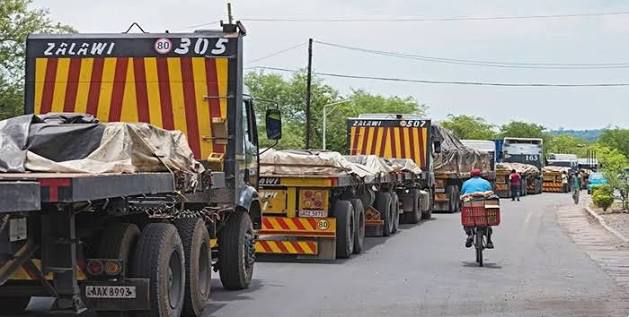
Discussions between ALCO and the ministry also addressed the constraints faced by transport operators traveling between the Port of Cotonou and Benin’s border crossings.
This route is a key link in the goods transportation chain. Any disruption along it can affect delivery times, vehicle availability and companies’ operational planning.
For shippers, the consequences of unpredictable transit times go beyond transportation costs alone. Unexpected delays can increase parking charges, storage costs, cargo holding expenses and the risk of failing to meet commercial commitments.
Predictability is therefore becoming a competitive factor just as important as the headline price of transportation services.
Which Indicators Should Be Tracked to Measure Logistics Performance?
To turn the Observatory’s data into a decision-making tool, several indicators could be monitored regularly:
- Median transit time: The typical time required to transport goods between clearly defined reference points.
- Transit-time variability: Differences between observed transit times, which help measure delivery predictability.
- Border waiting times: The time spent on formalities, inspections and border-crossing procedures.
- Truck immobilization time: Periods during which vehicles remain unavailable for other assignments.
- Logistics cost per trip: Expenses associated with transportation, waiting times, handling and parking.
- Road safety incidents: The frequency and location of events affecting traffic flows.
These indicators are potential areas of analysis. The ALCO statement does not specify which indicators are currently calculated or how frequently they are published.
Nevertheless, monitoring them would give public authorities and private-sector stakeholders a common basis for assessing performance and measuring the effects of corrective measures.
Road Safety: A Component of Corridor Competitiveness
The proposed cooperation also covers road safety. This is essential because accidents, traffic disruptions and difficult road operating conditions can interfere with freight movements.
For transport operators, improved safety helps reduce human and material risks, unexpected vehicle downtime and the costs associated with incidents. For shippers, it contributes to more reliable delivery times.
An effective road safety strategy can draw on the identification of accident-prone areas, incident analysis, improved road signage and better coordination among the relevant services.
The Observatory’s added value therefore lies in its ability to turn collected information into operational measures, with clearly assigned responsibilities and measurable results.
Combining traffic data with road safety information could also help distinguish delays caused by infrastructure limitations from those resulting from road incidents or operating conditions.
The Abidjan–Lagos Corridor: A Driver of Regional Integration and Competitiveness
The Abidjan–Lagos Corridor connects several West African economies and runs through Côte d’Ivoire, Ghana, Togo, Benin and Nigeria. Its performance matters to businesses involved in regional trade, industrial supply chains and cross-border distribution.
At the level of the Economic Community of West African States (ECOWAS), improving transport flows is a key trade facilitation objective. It is also aligned with the objectives of the African Continental Free Trade Area (AfCFTA), which seeks to expand trade between African countries.
However, reducing logistics barriers cannot be achieved by one country alone. Improvements along one section of the corridor may have limited impact if procedures, waiting times or traffic conditions deteriorate elsewhere along the route.
Better use of data can help identify these performance gaps and strengthen coordination among government agencies, infrastructure managers and transport professionals.
For Benin, the challenge is to improve the reliability of logistics operations while consolidating the role of the Port of Cotonou in regional supply chains.
Investment Opportunities: Moving from Diagnosis to Implementation
Making better use of corridor data can also help identify investment needs more precisely.
Several areas deserve particular attention: cargo tracking systems, digitalization of administrative procedures, road information systems, truck parking facilities and equipment designed to improve safety along transport routes.
However, such investments should not automatically be considered profitable. Their relevance will depend on the nature of the identified bottlenecks, their cost, actual utilization and measurable benefits for operators.
For investors and financial institutions, a reliable database can help assess demand, compare intervention scenarios and establish performance indicators.
A structured approach could focus on three priorities:
- Establish a baseline assessment using consistent data on transit times, costs and incidents.
- Prioritize interventions according to congestion points and their economic impact.
- Measure results by comparing performance before and after the implementation of selected measures.
This approach would make it easier to link public and private investments to verifiable operational outcomes.
Why This Matters for African Corridors
Cooperation between ALCO and Benin’s Ministry of Transport illustrates a central challenge facing African transport corridors: infrastructure can deliver its full economic benefits only when its operation is monitored, coordinated and measured.
For shippers, the priority is predictable transit times and control over total transportation costs. For transport operators, it is reducing vehicle downtime and improving road operating conditions. For public authorities, it is the ability to target investments and evaluate trade facilitation policies.
At the regional level, an approach based on comparable data can also facilitate dialogue among countries sharing the same corridor. It does not replace administrative reforms or physical infrastructure investments, but it helps determine where action is needed and how progress should be measured.
Data Must Become a Tool for Corridor Management
Strengthening cooperation between ALCO and Benin opens up an important opportunity for managing the Abidjan–Lagos Corridor: turning the monitoring of traffic flows and transit times into an operational management tool.
The next step will be to translate this approach into accessible indicators, shared assessments and corrective measures whose effects can be evaluated.
For shippers and transport operators, the objective is clear: a corridor that is more predictable, safer and less costly to operate. For policymakers and investors, the goal is to better connect knowledge of logistics constraints with infrastructure and trade facilitation decisions.
The competitiveness of African corridors will depend as much on infrastructure quality as on stakeholders’ ability to measure performance and address the main sources of friction.