
West African Corridors: European Union Accelerates Financing for Abidjan–Lagos and Abidjan–Ouagadougou Axes
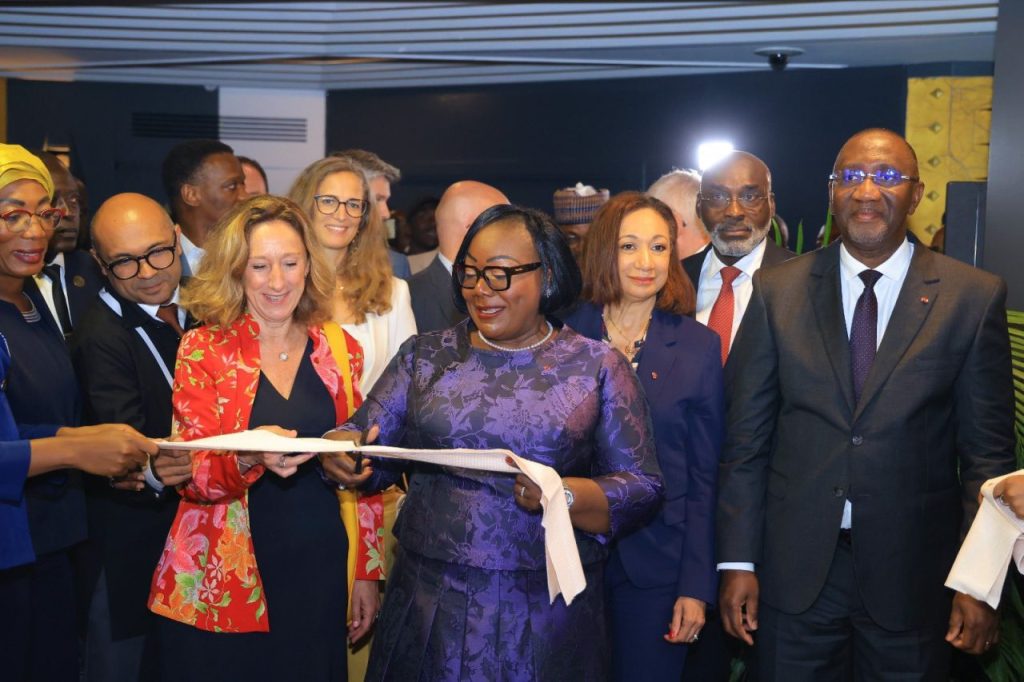
The financing of logistics corridors in West Africa is entering a decisive phase. Gathering in Abidjan from March 30 to April 1, 2026, public decision-makers, international financiers, and private investors are focusing on two strategic axes: Abidjan–Lagos and Abidjan–Ouagadougou. Beyond political signaling, this EU–West Africa forum reflects a broader shift toward transforming regional supply chains, with a clear objective: reduce transport costs, streamline intra-African trade, and strengthen ECOWAS competitiveness under the African Continental Free Trade Area (AfCFTA).
Abidjan as a Strategic Hub for West African Corridors
Positioned as a natural logistics hub, Abidjan is reinforcing its central role in structuring regional flows. By hosting this high-level forum, Côte d’Ivoire aims to consolidate its leadership across two key corridors:
Abidjan–Lagos Corridor: The Region’s Economic Backbone
This corridor connects five of ECOWAS’s largest economies (Côte d’Ivoire, Ghana, Togo, Benin, Nigeria) and concentrates a significant share of regional trade. It is a strategic lever for:
- road and multimodal transport
- regional maritime freight development
- integration of industrial supply chains
Abidjan–Ouagadougou Corridor: Unlocking Landlocked Economies
This axis is vital for Sahelian countries, particularly Burkina Faso. Its optimization enables:
- reduced transit times for goods
- improved security of logistics flows
- more competitive access to seaports
Global Gateway: Europe’s Strategic Push into African Infrastructure
The forum is part of the European Union’s Global Gateway strategy, designed to mobilize sustainable investment in critical infrastructure.
This approach is built on three pillars:
- financing bankable projects
- public-private partnerships (PPPs)
- integration of ESG (environmental, social, governance) standards
The European Investment Bank (EIB) has confirmed its readiness to support large-scale projects, provided they meet international standards of profitability and governance.
A Critical Challenge: Reducing Logistics Costs and Delays
Logistics costs in West Africa remain among the highest globally, accounting for up to 30–40% of the final price of goods in some supply chains.
Expected Gains
Targeted investments are expected to deliver:
- significant reductions in transit times (up to -30%)
- improved border crossing efficiency
- increased digitalization of customs procedures
- better coordination across transport modes
Direct Impact on Shippers
For African businesses:
- lower import/export costs
- improved logistics reliability
- expanded access to regional markets
A Major Opportunity for the AfCFTA
The African Continental Free Trade Area (AfCFTA) cannot reach its full potential without efficient corridors.
The Abidjan–Lagos and Abidjan–Ouagadougou axes could become:
- pilot corridors for African integration
- platforms for regional industrial development
- logistics redistribution hubs
Improving these corridors could significantly boost intra-African trade, which currently represents only about 15% of the continent’s total trade.
The Growing Role of the Private Sector in Infrastructure Financing
Côte d’Ivoire’s National Development Plan (NDP 2026–2030) outlines FCFA 114 trillion in investments, with more than 70% expected from the private sector.
This marks a strategic shift:
- increasing role of institutional investors
- expansion of PPP-based infrastructure projects
- emergence of a regional infrastructure investment market
The “investment clinics” organized during the forum aim to convert project pipelines into concrete investment opportunities.
Why This Matters for African Corridors
- Accelerates modernization of regional infrastructure
- Reduces logistics bottlenecks
- Enhances multimodal connectivity
- Strengthens port and corridor competitiveness
- Aligns with AfCFTA objectives
Toward Structural Transformation of Regional Supply Chains
Beyond financing, the challenge is systemic. The goal is to transform corridors into fully integrated logistics ecosystems, including:
- connected industrial zones
- modern logistics platforms
- sustainable transport systems
- digital freight tracking solutions
The European approach also emphasizes inclusion (youth employment, women’s participation) and environmental sustainability.
A Turning Point for Regional Competitiveness
The EU–West Africa forum marks a strategic milestone in transforming regional logistics corridors. If financial commitments materialize, the Abidjan–Lagos and Abidjan–Ouagadougou corridors could become major competitiveness drivers for ECOWAS economies.
For governments and investors alike, the priority is now clear: move from planning to execution, turning African corridors into engines of growth, integration, and economic attractiveness.