CMA CGM Launches Dedicated SGR Freight Train Between Mombasa and Nairobi: A New Boost for Kenya’s Logistics Corridor Performance
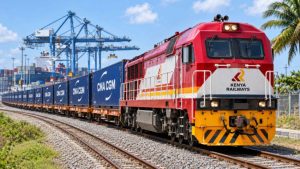
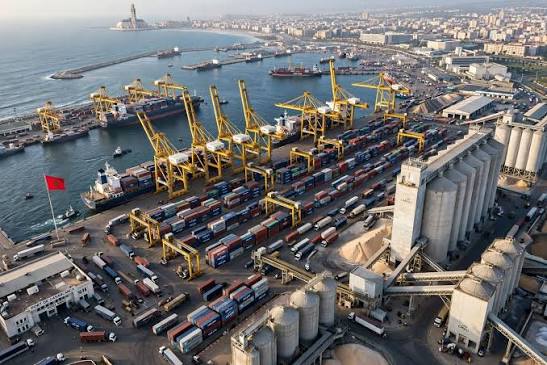
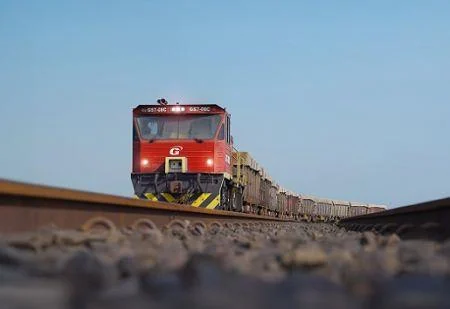
The integration of maritime and rail transport has reached a new milestone in East Africa. French shipping group CMA CGM has launched a dedicated freight rail service connecting the Port of Mombasa to the Nairobi–Embakasi Inland Container Depot (ICD), using Kenya’s Standard Gauge Railway (SGR) network.
Inaugurated on 28 October 2026, the service will initially operate one dedicated train per week, with a capacity of 108 TEUs. Beyond the launch of a new transport service, the initiative highlights a broader strategic shift in the Mombasa–Nairobi logistics corridor: shipping lines are increasingly seeking to extend their control over inland logistics operations to improve supply chain continuity, transit predictability and the competitiveness of cargo moving into East African markets.
CMA CGM Strengthens Its Position in the Mombasa–Nairobi Logistics Corridor
CMA CGM officially inaugurated its dedicated freight rail service on 28 October 2026, connecting the Port of Mombasa with the Nairobi–Embakasi Inland Container Depot.
The service will initially operate one full train per week, comprising 54 wagons and offering a total capacity of 108 TEUs (Twenty-foot Equivalent Units). According to Kenya Railways Corporation, the inaugural train carried the full 108 TEUs.
The initiative is based on a partnership between three key players in Kenya’s logistics ecosystem:
- CMA CGM: coordinating maritime cargo flows and customer requirements.
- Kenya Ports Authority (KPA): managing port operations at Mombasa.
- Kenya Railways Corporation (KRC): providing rail transportation through the national SGR network.
The objective is to ensure operational continuity between vessel discharge, container handling at the port, transfer to the railway network and final delivery at the Embakasi inland terminal.
This arrangement enables CMA CGM to extend its logistics offering beyond conventional port-to-port shipping by integrating a dedicated rail component into its transport solutions.
SGR: A Strategic Link in Kenya’s Logistics Supply Chain
Reducing Cargo Handling Bottlenecks and Transit Disruptions
The Mombasa–Nairobi corridor is a critical economic artery for Kenya. It connects the country’s main maritime gateway to its capital and several inland distribution platforms.
Integrating rail transport into CMA CGM’s logistics offering addresses a central challenge facing African transport corridors: ensuring continuity between port operations and inland cargo transportation.
In fragmented logistics systems, transit times depend not only on vessel or train speeds. They are also influenced by cargo handling operations, wagon availability, railway scheduling, customs procedures and the receiving capacity of inland terminals.
By coordinating these different stages, the new service could reduce operational bottlenecks and improve cargo visibility throughout the supply chain.
For shippers, the main benefits could include better inventory planning, improved supply chain coordination and greater predictability of cargo movements between Mombasa and Nairobi.
Embakasi Inland Depot: A Distribution Gateway to Regional Markets
The Nairobi–Embakasi Inland Container Depot plays an important role in Kenya’s logistics architecture.
It allows part of the container handling and clearance process to take place inland, supporting customs procedures and onward distribution to final destinations.
Beyond the Kenyan domestic market, the terminal forms part of a wider logistics network serving several landlocked economies in East Africa and the Great Lakes region.
Uganda, Rwanda, South Sudan and parts of the Democratic Republic of Congo are among the markets accessible through regional transport and distribution networks.
The performance of the Mombasa–Nairobi rail connection could therefore have implications beyond Kenya’s borders, provided that road connections, customs procedures and regional distribution capacity remain efficient.
45.45 Million Tonnes: The Port of Mombasa Strengthens Its Regional Role
The launch of the dedicated rail service comes amid sustained growth in port activity.
According to figures provided in the source report, the Port of Mombasa handled the following volumes in 2025:
- 45.45 million tonnes of cargo.
- 2.11 million TEUs of container traffic.
- 15.88 million tonnes of transit cargo destined for neighbouring countries.
Container traffic increased by 5.5% compared with 2024, while transit cargo recorded annual growth of 19.5%.
These figures underline Mombasa’s position as a regional maritime gateway, serving not only the Kenyan economy but also neighbouring countries that rely on its port infrastructure for international trade.
The increase in transit volumes is reinforcing demand for inland evacuation capacity, intermodal infrastructure and reliable freight transportation solutions.
In this context, dedicated rail services could help diversify cargo evacuation options and improve the coordination between maritime operations and inland distribution networks.
108 TEUs Per Week: A Business Model Still to Be Scaled Up
While the launch represents an important operational development, the initial capacity remains relatively modest compared with the overall activity of the Port of Mombasa.
At 108 TEUs per week, one fully loaded train operating every week would represent approximately 5,616 TEUs annually, based on 52 weekly departures.
This is an initial operating scale rather than a significant share of the port’s overall container throughput.
The long-term viability of the service will depend on three main factors.
1. Shipper demand
Train utilisation rates and the ability to attract regular cargo volumes will determine the commercial sustainability of the service.
2. Railway frequency
Increasing the number of weekly departures could strengthen inland evacuation capacity and provide customers with greater scheduling flexibility.
3. Return cargo flows
The initial service focuses on imported containers moving from Mombasa to Nairobi. Developing a return service from Nairobi to Mombasa could improve railway asset utilisation and strengthen the economic balance of operations.
CMA CGM has indicated that it will assess customer demand before considering additional weekly departures or introducing a return service.
The challenge will therefore be to transform an initially limited dedicated service into a commercially sustainable freight solution.
CMA CGM’s Vertical Integration Strategy: Connecting Maritime and Inland Logistics
The initiative forms part of CMA CGM’s broader strategy to strengthen its logistics presence in East Africa.
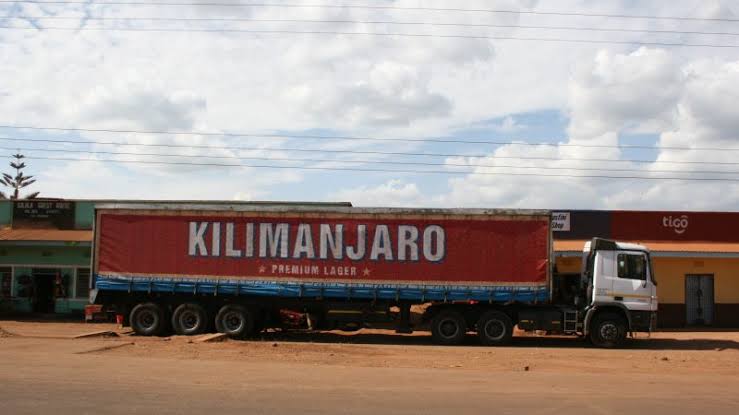
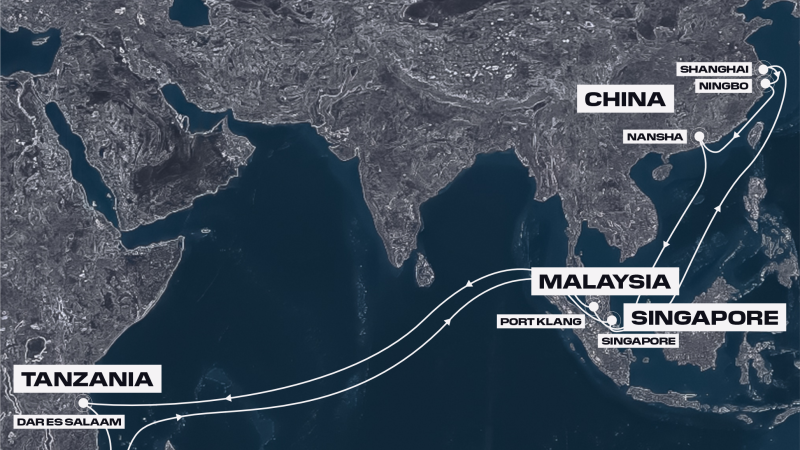
The group already operates its KILIMA shipping service, launched in August 2025, providing a direct weekly connection between China, Kenya and Tanzania, with onward connections to several Indian Ocean destinations and inland markets.
The new rail service complements this maritime network by adding a dedicated inland transportation component.
This development reflects a broader transformation in the role of international shipping companies. Their activities are no longer necessarily limited to moving cargo between two seaports. They are increasingly seeking to offer integrated solutions covering several stages of the logistics chain.
For shippers, this integration could deliver several benefits:
- Better coordination between maritime and inland transport.
- Improved visibility across cargo movements.
- Simplified logistics management.
- Greater predictability of delivery schedules.
- Potential reductions in costs associated with operational disruptions.
However, these benefits will depend on pricing structures, service reliability, available capacity and coordination between the different operators involved.
East Africa: A Regional Competitiveness Challenge
The Mombasa–Nairobi corridor forms part of a broader regional logistics network whose performance directly affects several countries’ access to international markets.
Within the East African Community (EAC), efficient connections between ports, inland logistics platforms and land transport networks are essential to regional trade development.
For landlocked countries, the performance of infrastructure in coastal economies directly influences the cost and predictability of imports and exports.
Improving the Mombasa–Nairobi rail connection could therefore strengthen the competitiveness of the wider East African logistics chain.
The issue also has continental significance in the context of the African Continental Free Trade Area (AfCFTA). Increasing intra-African trade requires transport corridors capable of facilitating the movement of goods between markets.
Reducing tariff barriers must therefore go hand in hand with infrastructure improvements, more efficient border procedures and stronger multimodal transport services.
Why This Matters for African Logistics Corridors
CMA CGM’s dedicated freight train illustrates several structural developments in African logistics:
- For ports: strengthening container evacuation and improving coordination between maritime and inland operations.
- For railway operators: developing dedicated freight contracts and improving capacity utilisation.
- For shippers: accessing integrated transportation solutions with greater visibility over delivery schedules.
- For landlocked countries: potentially benefiting from more efficient connections to maritime gateways.
- For investors: identifying opportunities in inland terminals, intermodal infrastructure, railway equipment and logistics services.
The main lesson is that corridor competitiveness depends as much on coordination between operators as it does on the physical capacity of infrastructure.
CMA CGM and the Mombasa–Nairobi Corridor: Towards Greater Multimodal Integration?
The launch of the dedicated freight rail service marks another step towards closer integration between maritime and railway transportation in Kenya.
For CMA CGM, the initiative extends its logistics offering beyond the port of arrival. For Kenya Railways and Kenya Ports Authority, the partnership creates an additional opportunity to coordinate cargo flows and utilise existing infrastructure.
The next stage will be defined by measurable performance: cargo volumes transported, train frequency, utilisation rates, transit times, cost per container and the development of return cargo flows.
These indicators will help determine whether the model can be expanded and replicated across other African logistics corridors.
As AfCFTA implementation progresses, the Kenyan experience highlights a fundamental reality: logistics competitiveness is not built on infrastructure alone, but on the ability of transport networks to operate as an integrated system serving shippers and regional economies