Durban to Host Ports & Rail Week 2026: A Strategic Platform to Accelerate the Integration of African Logistics Corridors
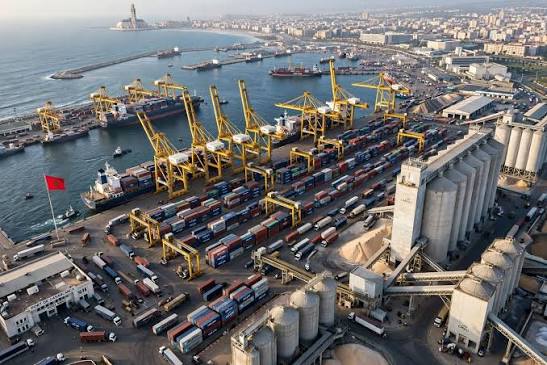
The performance of logistics corridors in Africa increasingly depends not only on the quality of infrastructure but also on its ability to function as an integrated system. Seaports, railway networks, inland logistics platforms and transit systems are interconnected components of a single competitiveness chain.
Against this backdrop, Durban, South Africa, will host Ports & Rail Week 2026 on 24–25 November 2026, a pan-African event dedicated to transforming port and rail systems. The event comes at a time when the implementation of the African Continental Free Trade Area (AfCFTA) is reinforcing the need to facilitate trade flows, reduce logistics costs and strengthen connectivity between African economies.
Ports & Rail Week 2026: Durban at the Centre of Africa’s Logistics Connectivity Agenda
On 24–25 November 2026, Durban will host Ports & Rail Week 2026 at the Coastlands Umhlanga Hotel and Convention Centre. The event will bring together government representatives, port authorities, railway operators, logistics companies, investors, technology providers and development partners.
Durban’s selection as the host city carries strategic significance. Home to one of Africa’s busiest ports, the city offers a relevant vantage point for examining the relationship between maritime infrastructure, inland transport and regional supply chains.
The objective of this edition is to promote stronger coordination between the port and rail sectors. This addresses a structural challenge facing African logistics corridors: ensuring operational continuity between production zones, distribution platforms, domestic markets and maritime gateways.
Beyond the individual capacity of ports and railway networks, the central issue is now their collective performance.
Port and Rail Integration: A Key Driver of African Corridor Performance
Reducing Cargo Handling Bottlenecks and Transit Times
Across many African logistics systems, competitiveness challenges are not solely the result of inadequate infrastructure. They also stem from operational discontinuities between different modes of transport.
A high-performing port can lose part of its competitive advantage when cargo faces inland evacuation constraints, insufficient railway capacity or lengthy administrative procedures.
Stronger port-rail connectivity is therefore an essential lever for improving end-to-end transit times.
Better coordination of schedules, transport capacity, cargo handling operations and information systems could help reduce cargo dwell times, ease port congestion and improve delivery predictability.
For African shippers, this predictability is a critical economic factor. It supports inventory planning, procurement management and the ability to meet commercial commitments.
Controlling Logistics Costs and Strengthening Regional Competitiveness
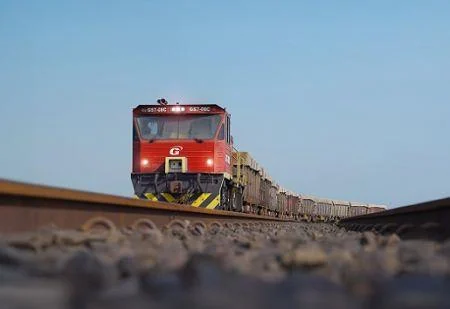
Rail integration can also help optimise overall transport costs, particularly for bulk commodities, mining products, hydrocarbons and certain industrial cargoes.
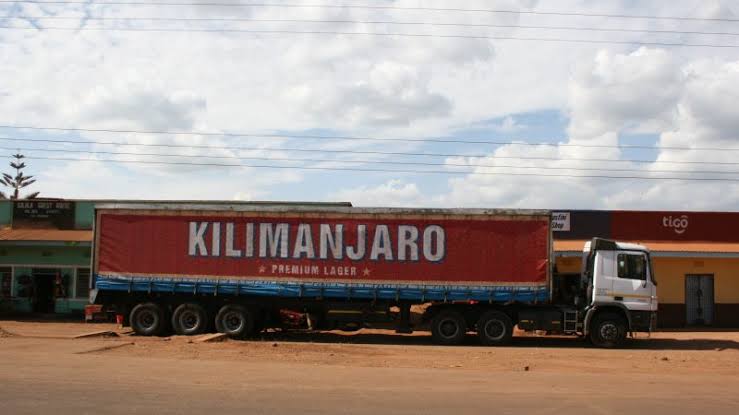
The development of multimodal solutions would enable better allocation of freight flows between road, rail and maritime transport, depending on distance, volume and cargo characteristics.
The objective is not simply to shift freight from road to rail. It is to build an economically coherent logistics chain in which each transport mode is deployed where it offers the greatest operational advantage.
For African economies, this optimisation can strengthen export competitiveness, improve access to regional markets and increase the attractiveness of logistics platforms.
Infrastructure Modernisation: Priority Investment Areas
Ports & Rail Week 2026 will address several key priorities shaping the development of transport infrastructure across Africa:
- Modernisation of port and railway infrastructure.
- Development of intermodal connectivity and transport corridors.
- Terminal automation and improvements in cargo handling.
- Low-carbon transport solutions.
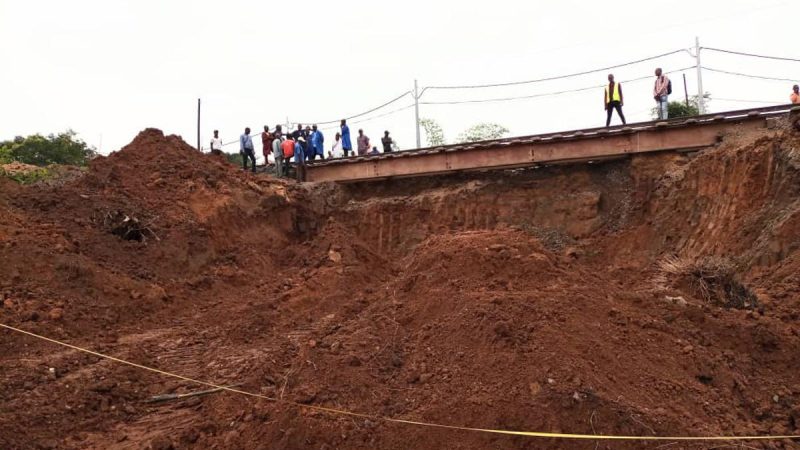
- Infrastructure resilience to climate change.
- Operational digitalisation and the use of artificial intelligence.
- Public-private partnerships in infrastructure financing.
- Improved operational safety, security and regulatory compliance.
These themes reflect an important shift in investment requirements. The priority is no longer limited to building new infrastructure, but also includes improving the operational efficiency of existing assets.
Investment in port management systems, railway infrastructure, intermodal terminals, storage facilities and digital solutions can help increase the productivity of logistics assets.
For investors, this evolution creates opportunities across several segments, including operating concessions, terminal modernisation, cargo-handling equipment, logistics information systems and multimodal transport infrastructure.
Digitalisation and Artificial Intelligence in the Service of African Corridors
Digital transformation will be one of the key themes discussed during this edition.
The digitalisation of port and railway operations can improve information flows between the various stakeholders across the logistics chain. It facilitates operational coordination, cargo tracking, capacity management and congestion forecasting.
Artificial intelligence could also contribute to optimising freight planning, predictive maintenance of equipment and resource allocation within terminals.
However, the effectiveness of these technologies depends on interoperability. Isolated digital systems that cannot exchange data efficiently risk reproducing the same fragmentation already observed in physical logistics chains.
For African corridors, the real challenge is therefore to develop digital architectures capable of connecting ports, railways, logistics operators, customs authorities and shippers.
This transformation also requires investment in skills development, cybersecurity and data governance.
AfCFTA: Transport Infrastructure at the Heart of Africa’s Economic Integration
The African Continental Free Trade Area aims to strengthen trade between African economies. However, reducing tariff barriers alone will not deliver its full potential if transport infrastructure remains fragmented and costly.
Corridor performance is therefore an operational prerequisite for successful African trade integration.
In Southern Africa, coordination between ports, railway networks and inland logistics platforms is a major issue for regional trade and industrial flows, particularly within the Southern African Development Community (SADC).
The same challenge applies to other regional economic communities across the continent.
In West Africa, corridors connecting Gulf of Guinea ports to landlocked countries illustrate the importance of continuity between maritime transport, road networks, logistics platforms and border procedures.
In East Africa, connections between seaports, railway networks and landlocked economies are equally important drivers of regional competitiveness.
The experience and discussions expected in Durban could therefore contribute to a broader continental debate on corridor governance, financing and operational models.
African Shippers: Essential Stakeholders in Logistics Performance
Infrastructure modernisation must also be assessed in light of shippers’ needs.
For importers, exporters, industrial companies and mining operators, corridor performance is measured through tangible indicators: total transport costs, transit times, delivery reliability, available capacity and cargo visibility.
These indicators must occupy a central position in infrastructure development strategies.
Modern infrastructure does not automatically generate competitiveness gains if tariffs remain insufficiently transparent, connections between operators are inadequate or cargo clearance times remain unpredictable.
Shipper participation in discussions on port and rail modernisation is therefore essential. It helps align investment decisions with the commercial and operational realities faced by businesses.
In this respect, Ports & Rail Week 2026 provides a platform for dialogue between infrastructure providers and the economic users of African corridors.
Why This Matters for African Logistics Corridors
Ports & Rail Week 2026 comes at a time when the competitiveness of African economies increasingly depends on the quality of their logistics connections.
Its implications extend well beyond the port and railway sectors:
- For ports: improving handling capacity and cargo evacuation towards inland markets.
- For railway operators: strengthening integration with maritime terminals and logistics platforms.
- For shippers: benefiting from more predictable transit times and better control over transport costs.
- For governments: developing infrastructure capable of supporting regional trade and industrialisation.
- For investors: identifying strategic projects in terminals, railways, digitalisation and logistics services.
The fundamental challenge is to move beyond disconnected infrastructure assets towards genuinely integrated transport systems, driven by performance and the needs of trade.
Durban 2026: Towards a New Approach to African Logistics Investment
Ports & Rail Week 2026 will bring public- and private-sector stakeholders together through conferences, panel discussions and an exhibition area designed to encourage technical exchanges and strategic partnerships.
Beyond announcements and institutional discussions, the event’s value will lie in its ability to bring investment strategies closer to the operational requirements of African logistics corridors.
For decision-makers, the central challenge will be translating commitments into measurable projects: increased capacity, shorter transit times, optimised costs and stronger regional connectivity.
As AfCFTA implementation progresses, Africa will need port and railway networks capable of accommodating growing trade flows and supporting the development of continental value chains.
The future competitiveness of African corridors will therefore depend not only on the construction of new infrastructure, but also on their ability to operate together efficiently, sustainably and in support of productive economies.
Practical Information
- Event: Ports & Rail Week 2026
- Dates: 24–25 November 2026
- Venue: Coastlands Umhlanga Hotel and Convention Centre
- City: Durban, South Africa
- Official website and registration: https://www.portsrailweek.com/register