DRC: Jean-Pierre Bemba Calls for Logistics Corridor Reforms to Cut Transport Costs and Boost Regional Competitiveness

The DRC Seeks to Turn Its Logistics Corridors into Drivers of Economic Competitiveness
Logistics corridors in the Democratic Republic of the Congo (DRC) are central to a challenge that extends beyond road construction and infrastructure upgrades: the country’s ability to move goods at competitive costs, connect production centres to markets and strengthen trade with Central and Southern Africa.
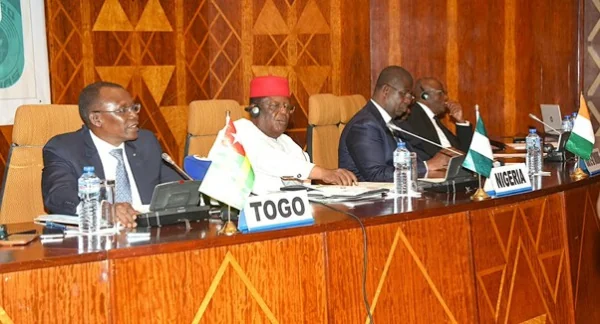
On October 26, 2026, in Kinshasa, Deputy Prime Minister in charge of Transport Jean-Pierre Bemba called for an integrated approach to transport corridors combining infrastructure, energy, logistics platforms, security and customs reforms. He was speaking at the opening of the third edition of the DRC Transport Infrastructure & Logistics Investment Forum (RIF 2026).
This approach puts operational performance at the centre of the debate. For cargo owners, transport operators and investors, the challenge is not simply to build new infrastructure, but to secure predictable transit times, controlled costs and continuity across different transport modes. These are objectives to be measured, rather than benefits that can be assumed in advance.

Logistics corridors must go beyond physical infrastructure
At the opening of RIF 2026, Bemba advocated an integrated approach to corridor development. This includes not only transport routes but also storage facilities, logistics platforms, digital systems and coordination between public authorities.
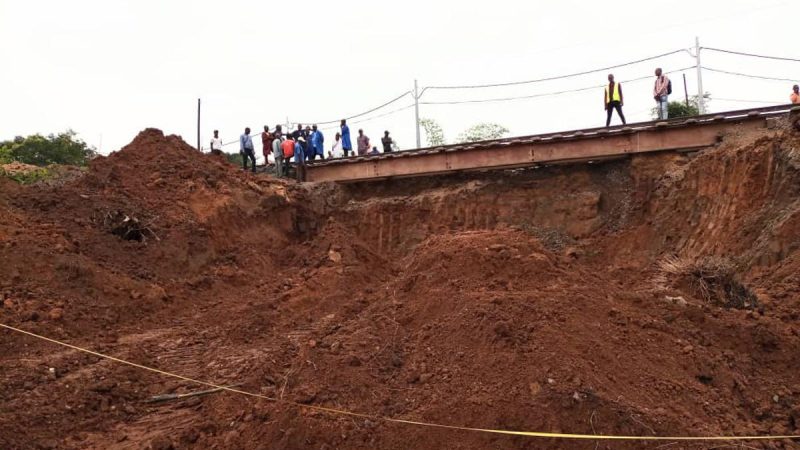
The approach addresses a fundamental operational issue: available infrastructure does not automatically translate into efficient freight movement. A road may be in good condition, yet its economic value can be undermined by lengthy customs procedures, poorly organised cargo transfers or delays in assigning shipments to transport operators.
Corridor performance must therefore be assessed across the entire logistics chain. It depends on infrastructure quality, service availability, equipment capacity, cargo security and coordination between public and private operators.
For policymakers, this means moving beyond isolated infrastructure projects. For logistics operators, the priority is to establish operating conditions that are sufficiently predictable to support freight planning, inventory management and delivery schedules.
Customs, digitalisation and transit: Immediate levers for performance
Reducing transit delays without waiting for new infrastructure
Bemba called for simplified customs formalities, digitalised procedures and stronger coordination between countries. These measures can directly influence transit times, particularly when shipments cross multiple jurisdictions.
Electronic documentation, advance exchange of trade data and coordinated inspections can reduce duplicate data entry, administrative waiting times and interruptions along transport routes. Their effectiveness, however, depends on system interoperability, mutual recognition of documents and the ability of border facilities to process freight efficiently.
To measure progress, governments and logistics operators should monitor several indicators: average border-crossing time, total transit time, variability in delivery schedules, customs processing costs and the proportion of transactions handled electronically.
These indicators would help distinguish delays caused by infrastructure constraints from those resulting from administrative procedures or operational inefficiencies.
Controlling logistics costs for cargo owners
Logistics costs extend beyond freight rates. They include additional storage, vehicle detention, handling charges, cargo transfers and expenses associated with late deliveries.
A more reliable corridor can therefore generate economic gains even without an immediate reduction in transport tariffs. Predictable transit times enable shippers to optimise safety stocks, improve procurement planning and reduce expenses associated with uncertainty.
Conversely, a lower freight rate may offer limited value if delivery schedules remain unreliable or cargo requires additional handling. The priority is to measure the total logistics cost from origin to destination.
Corridor financing: Moving from announcements to operational projects
The third edition of RIF 2026, held in Kinshasa from October 26 to 28, brings together public officials, investors and sector experts to discuss transport infrastructure development and project financing. The programme includes discussions on funding strategic and cross-border projects.
For investors, a corridor’s commercial value depends less on its geographical route alone than on its ability to generate consistent freight volumes. Projects become more financially credible when demand is documented, operating responsibilities are clearly defined and connections with other transport modes are functional.
Investment opportunities therefore extend beyond road construction and rehabilitation. They may include freight consolidation platforms, warehouses, intermodal terminals, cargo handling, shipment tracking systems and digital transit services.
However, project bankability requires verifiable information: traffic forecasts, capital and operating expenditure, regulatory arrangements, revenue models, risk allocation and government commitments.
RIF 2026 provides a platform for discussing these issues. The available information does not establish that every project presented has secured financing or entered the implementation phase.
From national transport routes to Central and Southern African integration
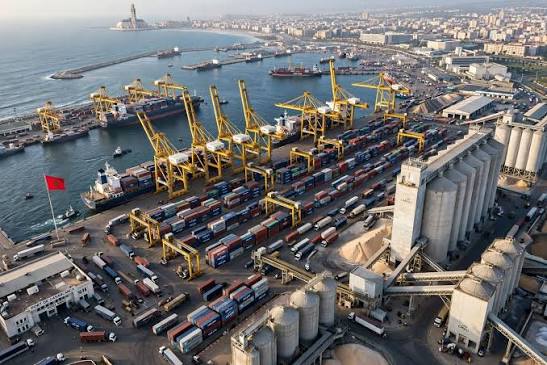
The DRC’s geographical position creates potential connections with several regional markets. Corridors linked to Lobito, access to seaports and transport links with neighbouring countries illustrate the need to plan logistics at a cross-border level.
In Central Africa, stronger connections between national transport networks, border posts and freight platforms could facilitate trade within the Economic Community of Central African States (ECCAS). Links with Southern Africa also require coordination with neighbouring countries and relevant regional networks, including those within the Southern African Development Community (SADC).
The African Continental Free Trade Area (AfCFTA) reinforces the importance of this approach. Lower trade barriers must be supported by logistics services capable of moving goods reliably. Trade liberalisation alone cannot deliver its full benefits when transit costs, delays and cargo transfers restrict market access.
For shippers, the objective is to compare routes according to total cost, reliability and available capacity rather than distance alone. For governments, it is to harmonise procedures and coordinate investments so that improvements on one section are not cancelled out by bottlenecks elsewhere.
Why this matters for African logistics corridors
1. More predictable transit times. Simplified customs procedures, digitalisation and coordinated inspections can reduce waiting times and improve freight planning.
2. Better control of logistics costs. Fewer vehicle delays, lower storage expenses and reduced cargo transfers can improve business competitiveness, provided performance is measured across the entire route.
3. Better-targeted investment. Traffic data, performance indicators and clearly allocated responsibilities can help identify priority projects and improve their attractiveness to financiers.
Measure corridor performance before multiplying projects
Bemba’s call highlights a central challenge for logistics corridors in the DRC: integrating infrastructure, transport services and operational reforms. The next step is to translate this policy direction into measurable targets covering transit times, costs and reliability.
For shippers, investors and public authorities, regional competitiveness will depend on making supply chains more predictable, coordinating cross-border networks and financing the links that genuinely constrain freight movement.
Only then can logistics corridors contribute sustainably to economic integration in the DRC and across Central Africa.