
Douala-Bangui Corridor: Towards a Strategic €347.5 Million Modernization for Central Africa
The Douala-Bangui Corridor, spanning 1,500 kilometers, serves as the vital economic artery of Central Africa. Connecting the Cameroonian coastline to the Central African Republic (CAR), this highway concentrates over 80% of CAR’s international trade. Faced with deteriorating infrastructure, high freight costs, and non-tariff barriers to cross-border transit, Cameroonian President Paul Biya signed Decree No. 2026/321 on October 2, 2026, approving a major financing package.
This credit agreement, secured with the International Bank for Reconstruction and Development (IBRD – World Bank Group) for €347.5 million (approximately 228 billion FCFA), forms part of a broader $1.12 billion corridor modernization program. This financial intervention paves the way for a structural transformation of logistics performance across the CEMAC region.
1. Major Rehabilitation and Digitalization of Road Transport Arteries
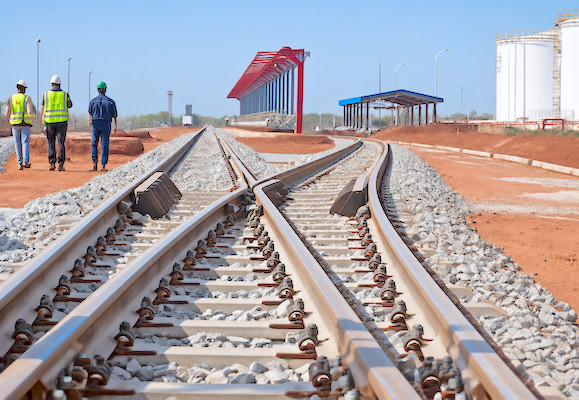
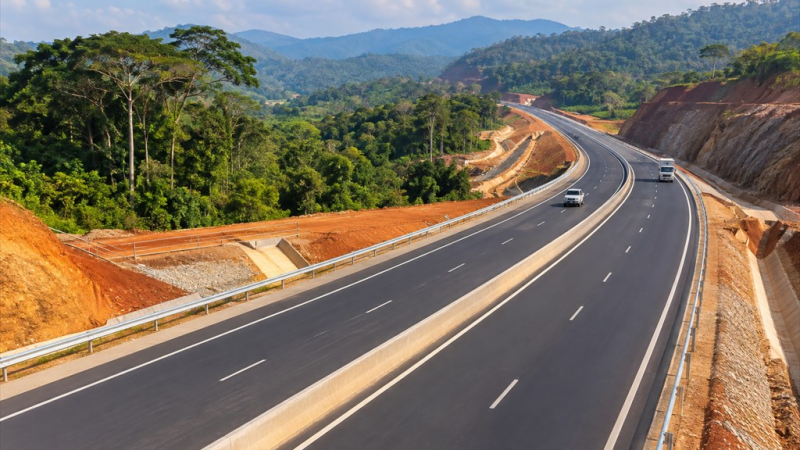
The project primarily addresses physical bottlenecks along Cameroon’s National Route 3, a critical leg linking the coast to the hinterland. The complete reconstruction of the strategic Yaoundé-Édéa section (164 km) includes heavy engineering works:

-
Route Safety Improvements: Realignment of hazardous curves and addition of 2×2 overtaking lanes on critical stretches.
-
Technological Integration: Digitalization of weighbridge stations to effectively curb overloaded freight while reducing dwell times for hauliers.
-
Modern Fleet Management: Deployment of driver-assist systems tailored to the operational demands of heavy long-haul trucking.
These technical investments directly aim to decrease accident rates and lower fleet maintenance costs for regional transport operators.
2. Reduction of Logistics Costs and Transit Dwell Times
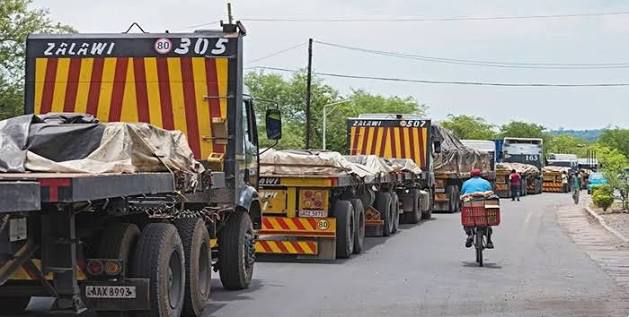
Shipper competitiveness hinges heavily on supply chain predictability. Currently, sluggish truck turnaround times and road checkpoints impose severe cost burdens on imported and exported commodities.
“By modernizing the Douala-Bangui corridor, economic actors are directly targeting reductions in cargo dwell times and improving the reliability of regional supply chains.”
Automating controls and upgrading pavement quality will accelerate road freight fluidity between the Autonomous Port of Douala and Bangui’s logistics hubs, securing a steady supply line to the Central African capital.
3. Strategic Impact on CEMAC Integration and AfCFTA Rollout
For a landlocked nation like the Central African Republic, secure maritime access is a matter of economic sovereignty. Upgrading this corridor strengthens sub-regional integration under CEMAC guidelines and prepares Central Africa for the African Continental Free Trade Area (AfCFTA) single market.
Anticipated drops in cross-border logistics costs enhance the Port of Douala’s appeal over alternative routes while stimulating intra-African trade among Cameroon, CAR, and Chad.
Why This Matters for African Corridors
For Shippers: A measurable decline in Total Cost of Logistics (TCL), reduced cargo damage, and increased schedule reliability.
For Port Operators: Faster cargo clearance from the Port of Douala, alleviating container terminal congestion.
For Public & Private Investors: Demonstrates a blueprint for integrated smart infrastructure (roads, digital tech, weighbridges) scalable across other continental trade corridors.
Outlook: Transitioning from Road Upgrades to Multimodal Maturity
The ratification of this €347.5 million credit agreement marks a pivotal milestone for the sub-region. However, the long-term efficiency of the Douala-Bangui Corridor will depend on parallel efforts to streamline customs clearances and harmonize border transit regulations. Physical infrastructure upgrades must be paired with robust soft infrastructure governance to unlock seamless end-to-end freight mobility.