
Ferkessédougou Dry Port: A New Accelerator for the Abidjan–Hinterland Corridor


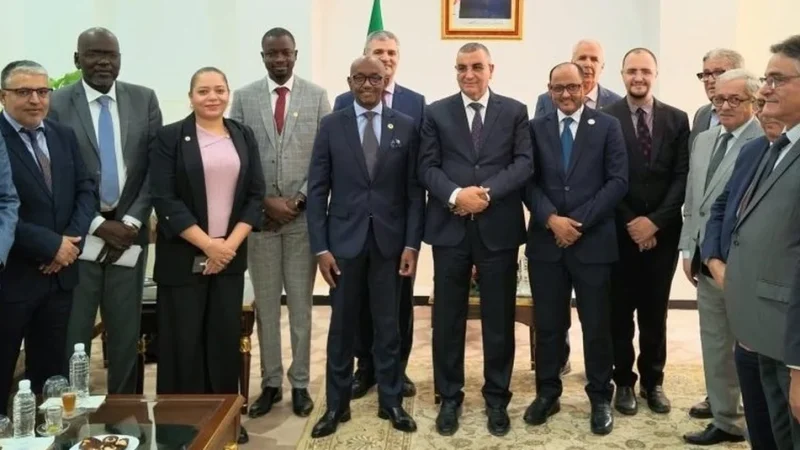
The Ferkessédougou dry port is entering a strategic phase in the organization of freight flows between Côte d’Ivoire and the countries of the West African hinterland. A site visit conducted on August 28, 2026, attended by the Managing Director of SITARAIL, highlights the growing role of rail transport in the development of this future logistics platform.
Covering approximately 732 hectares, the project is intended to help decongest the Port of Abidjan, improve cargo handling and bring logistics operations closer to markets in northern Côte d’Ivoire and landlocked countries.
For shippers, however, the issue goes beyond the construction of a new infrastructure facility. The key question will be whether the project can reduce cargo handling disruptions, improve transit predictability and make the Abidjan–hinterland corridor more competitive.
A Dry Port Designed as a Land-Based Extension of Côte d’Ivoire’s Port System
The Ferkessédougou project is conceived as more than a simple storage facility. Its ambition is to create a multimodal logistics platform combining rail, road transport and specialized terminals.
The site is expected to include logistics facilities, specialized terminals and a petroleum storage facility with an announced capacity of 61,000 m³. The cost of the first phase of works is estimated at CFAF 254.171 billion.
This configuration could gradually reshape freight flows that are currently heavily concentrated around the Port of Abidjan.
Rail as a Key Driver of Corridor Performance
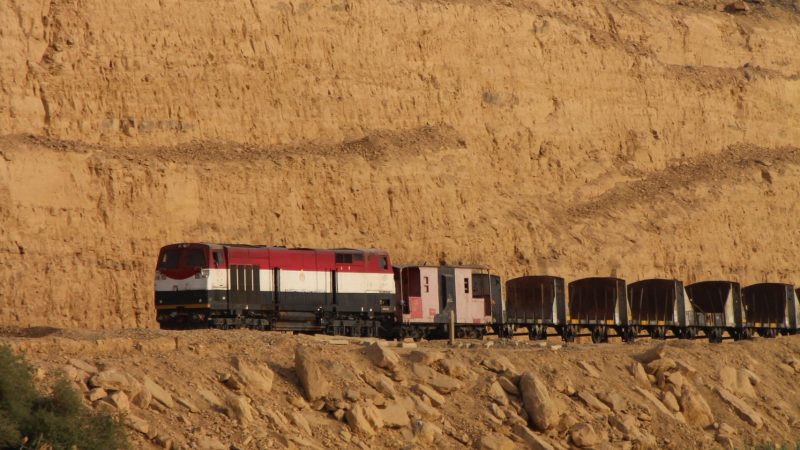
One of the project’s defining features is its direct rail connections to the main railway line. This connection gives the dry port the potential to become a major inland extension of Côte d’Ivoire’s port logistics system.
For SITARAIL, this represents a particularly strategic opportunity. A logistics platform connected directly to the railway network could facilitate the transfer of part of the long-distance freight flows from road to rail.
The potential benefits are twofold: reducing pressure on road transport while improving the reliability of high-volume freight movements.
Decongesting Abidjan While Bringing Logistics Closer to Hinterland Markets
One of the project’s stated objectives is to decongest the Port of Abidjan by relocating certain logistics operations inland.
This strategy addresses a common challenge facing African corridors: maritime ports often concentrate cargo reception, storage, customs clearance and distribution activities, even when major consumer markets are located hundreds of kilometres away.
With Ferkessédougou, part of this logistics chain could progressively move closer to shippers in northern Côte d’Ivoire and freight flows destined for Burkina Faso, Mali and Niger.
What Impact on Transit Times?
It would be premature to announce a specific reduction in transit times before the facility becomes operational and actual performance indicators can be measured.
However, the underlying principle is clear: better coordination between seaports, rail, road transport, storage and customs procedures can reduce waiting times and cargo handling disruptions.
For shippers, corridor performance is therefore not measured solely by distance. It depends above all on the ability to provide a predictable, reliable and controlled transit time.
Potential Logistics Cost Reductions, But Only Under the Right Conditions
Shifting part of freight flows to rail could also generate economic gains, particularly for goods transported over long distances and in large volumes.
However, the creation of a dry port does not automatically guarantee lower logistics costs.
For these potential gains to benefit shippers, several conditions will need to be met:
- availability and reliability of rail capacity;
- efficient cargo-handling operations;
- coordination between port and rail operators;
- effective customs procedures;
- quality road connections to production and consumption areas;
- digital tracking of documents and cargo.
Performance should therefore be measured through concrete indicators such as transit time, cost per tonne, rail utilization rate, container dwell time and delivery reliability.
A Project Connected to the Expansion of Corridor Infrastructure
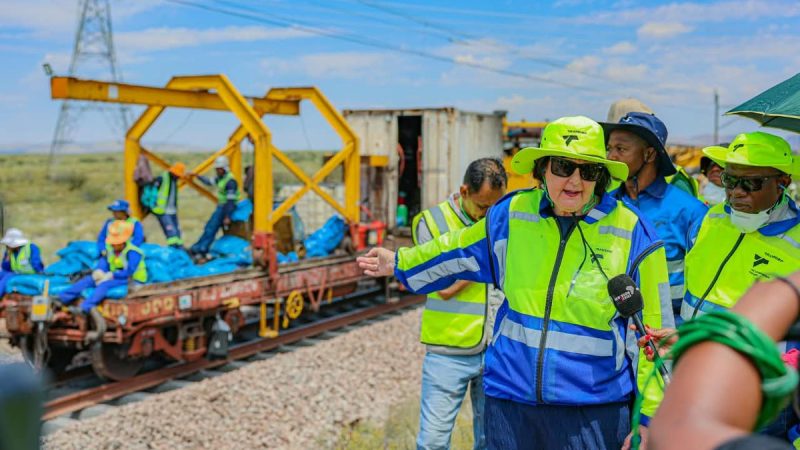
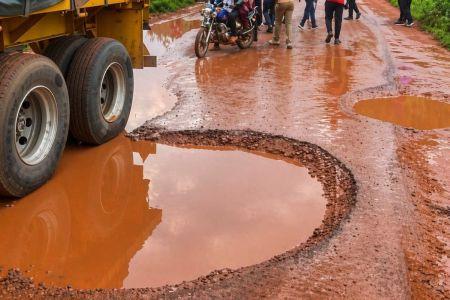
The dry port cannot be considered in isolation from the wider transport network. Its potential will also depend on the quality of infrastructure connecting it to Abidjan and to the northern borders.
In June 2026, Côte d’Ivoire and the Islamic Development Bank announced financing of approximately CFAF 130 billion for the 60-kilometre Tafiré–Ferkessédougou section, as part of the extension of the northern highway towards the borders with Burkina Faso and Mali.
The convergence of road, rail and logistics infrastructure is therefore critical.
It could progressively create a more integrated corridor in which rail handles high-volume freight while road transport maintains its role in local distribution and last-mile logistics.
A Regional Dimension That Goes Beyond Côte d’Ivoire
The strategic value of the Ferkessédougou dry port lies in its potential to strengthen connections between Côte d’Ivoire’s maritime gateway and the landlocked economies of West Africa.
For countries such as Burkina Faso and Mali, access to efficient port infrastructure is an important factor in commercial competitiveness.
Ferkessédougou could therefore become an interface between the Port of Abidjan and the hinterland corridors.
However, the infrastructure must be integrated into a genuinely regional strategy. Its effectiveness will depend on the efficiency of border crossings, harmonization of procedures and the ability of regional countries to reduce non-physical barriers to trade.
“Corridor performance no longer depends solely on the quality of a port. It depends on the continuity of the logistics journey all the way to the final customer.”
It is precisely this continuity that will determine the economic value of the future dry port.
Why This Matters for African Corridors
The Ferkessédougou dry port could become a strategic link in the Abidjan–hinterland corridor for four main reasons:
1. Port Deconcentration
Certain operations could be transferred to an inland platform, reducing pressure on Abidjan’s port infrastructure.
2. Multimodal Integration
The railway connection creates the conditions for more efficient integration between rail and road transport.
3. Competitiveness of Landlocked Economies
More predictable freight movements towards Burkina Faso, Mali and other hinterland markets could improve their access to international supply chains.
4. Industrial Attractiveness
A logistics platform of this scale could encourage the development of processing, storage and distribution activities around Ferkessédougou.
Ferkessédougou: A Real-World Test for West African Logistics
The project also has an important territorial dimension. According to the project’s official data, the dry port is expected to contribute to economic development in northern Côte d’Ivoire and benefit several regions of the country. The long-term objective is also to generate up to 71,000 direct and indirect jobs.
More recently, the Ivorian government has discussed an additional 700-hectare expansion to anticipate the site’s long-term development and prevent future urban expansion from limiting its growth.
This illustrates an important evolution in African corridor planning: major corridors are no longer simply transport routes. They are becoming economic ecosystems combining infrastructure, industry, logistics, trade and territorial development.
What Role for the African Continental Free Trade Area?
For the African Continental Free Trade Area (AfCFTA), the issue is fundamental. Removing trade barriers is not enough if goods continue to face high logistics costs and unpredictable transit times.
Infrastructure such as Ferkessédougou can contribute to smoother intra-African trade by bringing logistics capacity closer to inland markets.
The priority, however, will be to connect these infrastructures efficiently to other regional corridors and ensure genuine interoperability between transport systems and administrative procedures.
From Infrastructure to a High-Performance Corridor
SITARAIL’s participation in the visit to the future Ferkessédougou dry port illustrates the growing importance of rail transport within Côte d’Ivoire’s logistics strategy.
With its 732-hectare footprint, multimodal vocation and connection to the railway network, the project has the characteristics required to become a major link between Abidjan and West African hinterland markets.
Its real success, however, will be measured through reduced waiting times, reliable freight movements, controlled logistics costs and the ability to provide shippers with an efficient end-to-end supply chain.
Ferkessédougou could therefore become more than a dry port: it could serve as a testing ground for the next generation of African logistics corridors.