FICA 2026 in Dakar: African Shippers at the Heart of Logistics Sovereignty and AfCFTA Integration

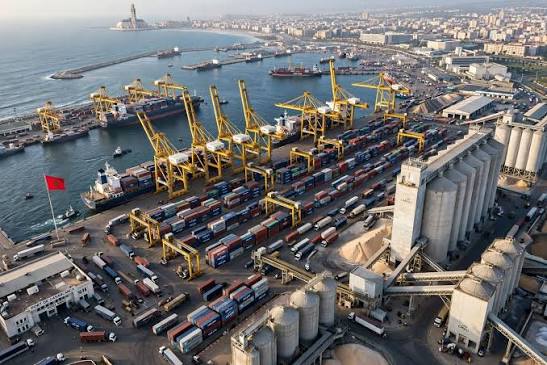
Africa is seeking greater control over its logistics supply chains and a reduction in the constraints that continue to undermine trade between its economies. Against this backdrop, the 2026 International Forum of African Shippers (FICA 2026), scheduled to take place in Dakar from 30 November to 2 December 2026, aims to put shippers at the centre of discussions on competitiveness, resilience and market integration. Organised by Senegal’s Shippers’ Council (COSEC), this first edition will bring together stakeholders from the transport, freight forwarding, port and international trade sectors around a central challenge: building an African logistics system that is more effectively controlled and coordinated by operators across the continent. Beyond institutional discussions, the agenda will focus on the operational conditions required to improve corridor efficiency, digitalise procedures and support the effective implementation of the African Continental Free Trade Area (AfCFTA).
FICA 2026: Putting African Shippers at the Centre of Logistics Supply Chains
Organised under the theme “Competitiveness and Resilience of African Logistics Supply Chains: The Shipper at the Heart of the AfCFTA”, the first edition of FICA aims to strengthen coordination between the different links in the transport and trade chain.
Shippers occupy a strategic position in this system. They directly bear the consequences of logistics inefficiencies, including delivery delays, high transport costs, cargo immobilisation, additional port charges and uncertainty surrounding administrative procedures.

For African businesses, logistics performance therefore depends not only on the availability of roads, ports and railway infrastructure. It also relies on the ability to coordinate operators, harmonise procedures and improve the flow of commercial information.
FICA aims to encourage a common approach among shippers, transport companies, port authorities, freight forwarders and regional institutions.
More Efficient Corridors to Reduce Regional Trade Costs
Efficient logistics corridors are among the most important drivers of competitiveness in African trade. Cross-border exchanges between neighbouring countries continue to face challenges related to border controls, customs formalities, cargo handling interruptions and insufficient coordination between transport operators.
The discussions planned for FICA 2026 directly address these challenges.
During his working discussions in Conakry, COSEC Director General Pape Ousseynou Pouye highlighted the shared ambition of developing “better-protected shippers”, “more fluid corridors” and “facilitated trade between our countries in the spirit of the African Continental Free Trade Area (AfCFTA)”.
This position reflects an operational priority: transforming transit infrastructure into genuinely integrated logistics chains.
Transit Times and Logistics Costs: What Is at Stake for Businesses?
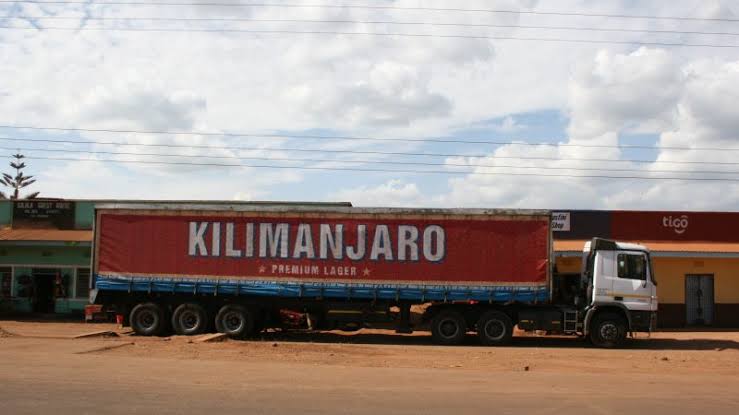
For shippers, border delays and fragmented procedures increase the indirect costs of transportation. Truck waiting times, storage charges and uncertainty over delivery schedules can affect corporate cash flow and business competitiveness.
Improving corridor performance therefore requires coordinated infrastructure investment, as well as better transit management systems, data-sharing platforms and simplified procedures.
FICA provides an opportunity to bring these concerns together around a results-oriented approach.
Digitalisation and Interoperability: The Invisible Infrastructure of Logistics Sovereignty
Digital transformation is another major priority on the forum’s agenda. The digitalisation of logistics systems and their interoperability are essential conditions for improving the movement of goods across regional markets.
Across several African transport chains, information relating to cargo, customs formalities and port operations remains distributed across platforms that do not always communicate effectively.
This fragmentation can lead to repeated data entry, processing delays and limited visibility over transit operations.
Interoperable systems could help connect port platforms, customs administrations, transport operators and shippers more effectively.
Greater Visibility Across Cargo Flows
For importing and exporting companies, reliable information on cargo location, port clearance times and outstanding formalities is a significant operational advantage.
A better-connected logistics chain can help reduce administrative delays, improve delivery planning and limit costs associated with uncertainty.
For public authorities, these tools also offer opportunities to improve trade-flow monitoring and coordination between administrations.
Logistics sovereignty is therefore not limited to ownership of physical infrastructure. It also depends on control over data, digital tools and coordination mechanisms that organise trade.
Senegal, Guinea and Cape Verde: Strengthening Maritime Cooperation
Preparations for FICA 2026 are accompanied by efforts to strengthen institutional cooperation. COSEC Director General Pape Ousseynou Pouye has undertaken working visits to Guinea and Cape Verde to reinforce trade and maritime cooperation and prepare for the forum.
The choice of Cape Verde as guest of honour is particularly significant. Located along major Atlantic shipping routes, the archipelago occupies a strategic geographical position connecting Africa, Europe and the Americas.
Its participation will provide an opportunity to share experience and best practices relating to maritime trade and logistics organisation.
For African operators, this Atlantic dimension raises an important strategic question: how can African maritime platforms become better integrated into international shipping networks while strengthening commercial connections between African economies?
The issue involves the complementarity of port services, maritime connectivity and the ability of African operators to develop transport solutions adapted to shippers’ needs.
AfCFTA Faces the Challenge of Logistics Performance
The African Continental Free Trade Area aims to facilitate trade between economies across the continent. However, reducing tariff barriers alone is not enough to guarantee sustainable growth in intra-African trade.
Infrastructure performance, transit efficiency, transport service availability and effective border procedures remain decisive factors.
In this context, FICA 2026 comes at a time when cooperation between national shippers’ councils could help bring business needs closer to regional trade facilitation policies.
The central challenge will be to translate integration ambitions into practical improvements: shorter border clearance times, more predictable costs and continuity of logistics operations between countries.
For West African corridors, this approach requires stronger coordination between ports, border posts, customs administrations and private-sector operators.
UCCA Seeks to Strengthen African Shippers’ Representation
Alongside the forum, the Union of African Shippers’ Councils (UCCA) is scheduled to hold its steering committee meeting.
According to information provided by COSEC, the organisation brings together 19 African member states and works to defend shippers’ interests while supporting the development of the maritime and logistics sectors across the continent.
This institutional dimension is important. Shippers bear a significant share of the costs resulting from weaknesses in transport chains, yet their needs are not always adequately represented in decisions concerning infrastructure and regulation.
Stronger cooperation between national councils could improve the communication of business challenges, encourage the exchange of best practices and support common proposals addressed to regional authorities.
Why This Matters for African Logistics Corridors
FICA 2026 goes beyond the framework of a professional gathering. It highlights three essential conditions for improving corridor performance:
- Operational coordination: Bringing ports, transport companies, freight forwarders and public administrations closer together to reduce disruptions along transport chains.
- Digital control: Developing interoperable systems to improve cargo traceability and visibility over transit times.
- Economic representation: Strengthening shippers’ ability to defend their interests in decisions affecting logistics costs and trade conditions.
These three dimensions are complementary. Without coordination, infrastructure loses part of its efficiency. Without digital visibility, businesses struggle to manage their operations. Without shippers’ representation, logistics policies risk failing to address market realities.
Moving from Institutional Cooperation to Operational Results
The first edition of the International Forum of African Shippers provides a platform for discussing the role of businesses in transforming the continent’s logistics supply chains.
For Senegal, Guinea, Cape Verde and other participating economies, the challenge is to develop cooperation mechanisms capable of delivering measurable results.
The success of this ambition will depend, in particular, on the ability of stakeholders to turn discussions into concrete projects: digital platform integration, improved transit procedures, maritime coordination and greater consideration of shippers’ operational needs.
At a time when the AfCFTA is seeking to accelerate the integration of African markets, logistics sovereignty is emerging as a key driver of economic competitiveness. It requires not only infrastructure development but also greater control over the flows, data and services that enable African goods to move efficiently.
The Dakar gathering, scheduled for 30 November to 2 December 2026, will therefore provide an opportunity to assess the ability of institutions and operators to advance this transformation.